Component models shown are examples; availability and pricing can vary. We’re happy to swap brands or aesthetics to taste.
Retro Gaming
Modern hardware, classic cartridges — tuned for today’s TVs with a “no-faff” setup.
Image: Analogue 3D console (Analogue).
Analogue 3D (N64 reimagined in 4K)
The Analogue 3D is a premium, modern console built to play original Nintendo 64 cartridges on a modern display.
It’s designed around FPGA hardware (rather than software emulation), aiming for accuracy and responsiveness while outputting
crisp 4K HDMI video with display modes that mimic the look and feel of classic CRTs.
It keeps the spirit of the original N64 alive with four original-style controller ports, and adds modern conveniences like
Wi-Fi for updates and Bluetooth support for compatible accessories.
Typical features people care about:
Plays original N64 cartridges (region-free)
4K HDMI output with CRT-style display modes
FPGA-based design (no software emulation)
Four controller ports for proper multiplayer nights
Price: $269.99 USD
Pricing can change with stock/restocks — ask us if you’d like one sourcing + setup.
CobhamEsherAshteadLeatherheadEpsomKingstonWokingSurrounding areas
About CircuitFox
We’re a friendly local team who’ve built and repaired PCs for years — from quiet family desktops to high-performance workstations. We believe in honest advice and doing the job properly.
✓ Clear quotes before work starts
✓ Data handled securely and privately
Reviews: VR & Smart Glasses
Balanced, practical impressions focused on setup, comfort, and value — with a tech’s-eye view on what matters day to day.
Display
Micro-OLED (projected virtual screen)
Connectivity
USB-C (DP Alt Mode) via compatible devices
Audio
Open-ear speakers
Prescription
Optional inserts available
Use cases
Personal cinema, light desktop work, travel
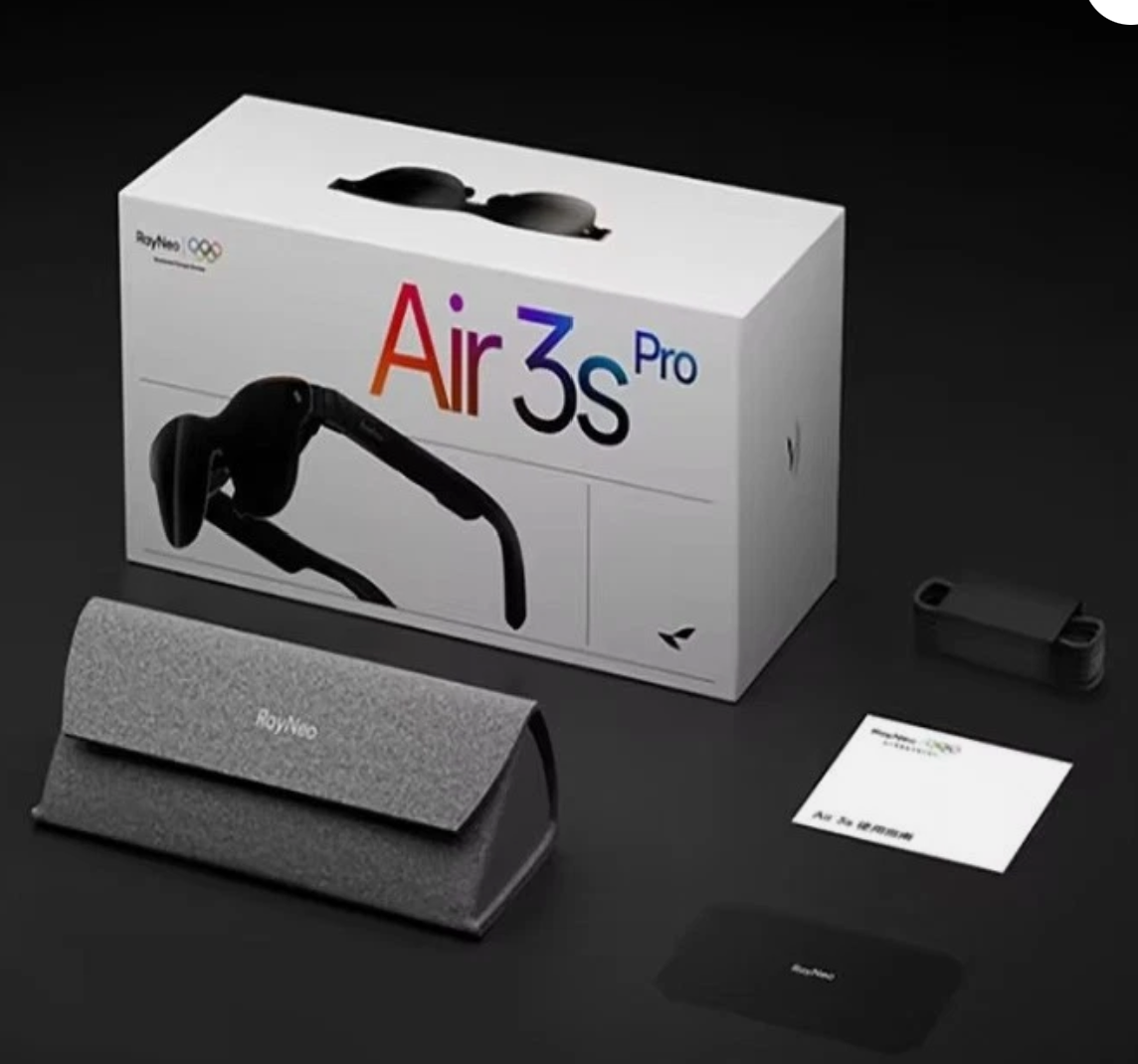
RayNeo Air 3S Pro — Smart Glasses
Setup & compatibility: If your laptop, handheld or Android phone supports DisplayPort over USB-C, setup is instant — plug in and you’re looking at a large, floating screen. For iPhones or devices without DP Alt Mode, you’ll need an adapter, which adds a small cost and a little cable bulk. Once connected, latency is negligible for video and general productivity.
Picture quality & use: The micro-OLED image is crisp with excellent contrast, making films, YouTube and even spreadsheet work comfortable. The virtual screen feels like a 100–130″ TV a few metres away. For productivity, it’s best as a single “focus” display; you can mirror a desktop, but it’s not a multi-window AR workspace — think portable cinema more than holographic computer.
Comfort & design: Weight distribution is sensible and the nose pads are adjustable, so most people can wear them for a film without hotspots. They’re impressively thin and tidy-looking, which helps them pass for normal sunglasses more than most wearable displays. Open-ear speakers keep you aware of your surroundings and are fine for video; for privacy or bass, pop in earbuds.
Side profile: slim temples and neat finish.
Where they shine: Commuting, flights, hotels and shared spaces — anywhere you want a big screen without disturbing others. They’re also handy as a “guest” monitor while we diagnose a PC, or as a discreet second screen for notes during calls.
Trade-offs: Bright daylight can wash the image unless you use the included light shield. Audio leaks a bit at higher volumes. And because it’s a display, not a full AR headset, there’s no spatial tracking or room-aware interaction. As with all DP-Alt products, compatibility quirks can require adapters.
Verdict: If you want a portable, good-looking big screen for media and light work, the Air 3S Pro delivers with minimal faff. If you’re expecting interactive AR or full desktop replacement, you’ll want something else — but as a travel-friendly personal cinema, they’re an easy recommendation.
Interested in the RayNeo Air 3S Pro? We can supply, advise on compatibility, and include **free setup**.
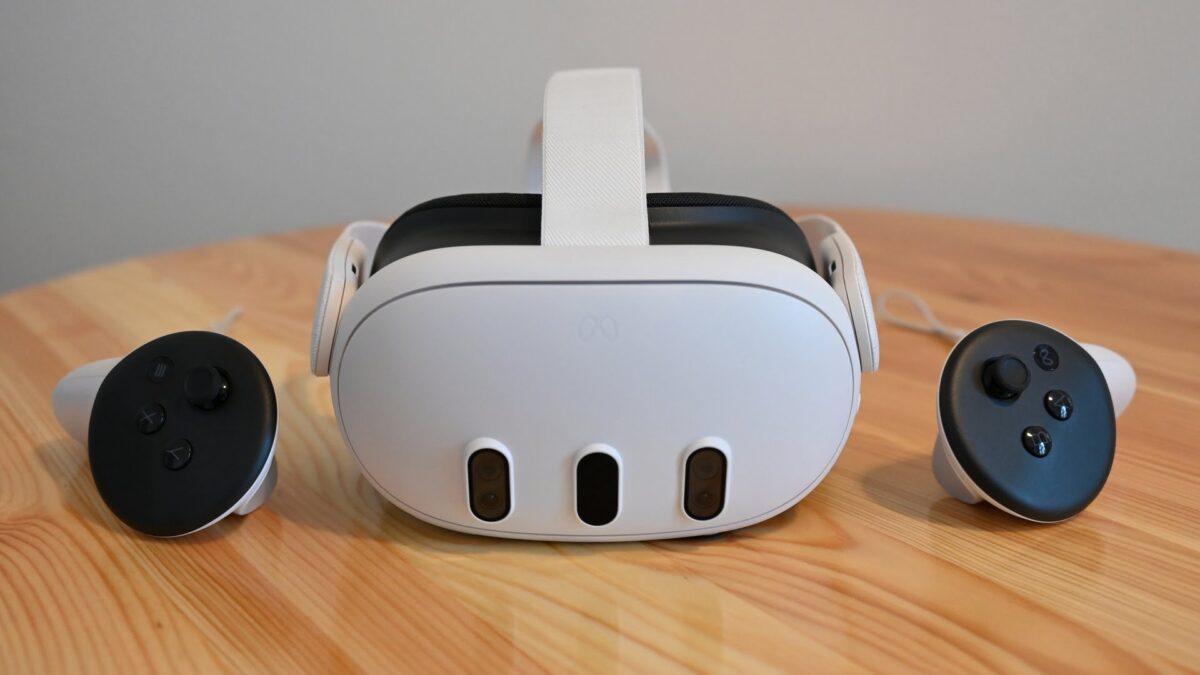
Ease of use: No base stations, quick guardian setup, and a huge content library make the Quest 3 the most approachable way to get into VR. For stand-alone gaming and fitness, it’s plug-and-play. PCVR is available via Link cable or Air Link for enthusiasts who want sim racing, flight, or modded titles.
Visuals & performance: Resolution and lenses are a clear step up over earlier stand-alone headsets, with less blur and better edge-to-edge clarity. The XR2 Gen 2 does well with modern stand-alone titles, though you’ll still see compromises versus a powerful PC. Mixed-reality passthrough is genuinely useful for desk work, MR apps and safety awareness, but it’s not life-like video — more “good enough to be useful.”
Comfort & tracking: Tracking is rock-solid under normal lighting, controllers feel natural, and hand-tracking is now good enough for menus and casual apps. The default strap is okay; for long sessions or perfect balance, we usually recommend an aftermarket strap or battery headstrap.
Ecosystem & costs: The store has depth — games, fitness, productivity and creative tools. Some premium experiences benefit from extras (better strap, case, cable or Wi-Fi 6/6E router for top-tier streaming). That said, as an all-in-one that can also tether to PC, the flexibility is excellent.
Verdict: Quest 3 is the best “do-it-all” headset for most people: easy to live with, great library, and credible mixed reality. Image-quality purists chasing max fidelity will still prefer a PCVR headset powered by a high-end GPU, but for convenience and value, this is the current sweet spot.
Thinking about a Quest 3? We can supply, recommend accessories, optimise setup, and include **free setup**.